
Precision Timing & Synchronization Systems
GNSS • PPS • LTC Timecode • ESP32 • Raspberry Pi • Cameras • Sensors • Industrial Devices
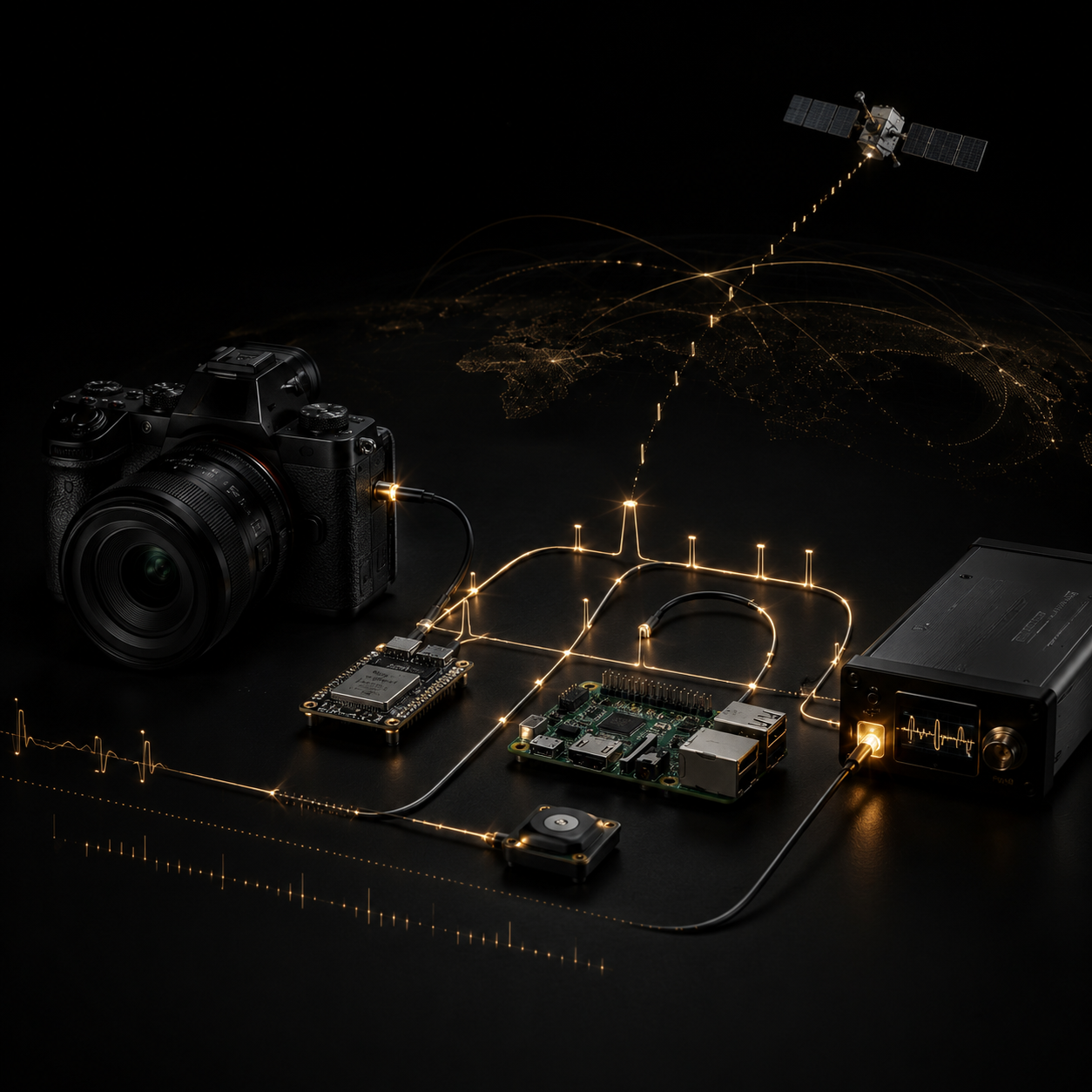
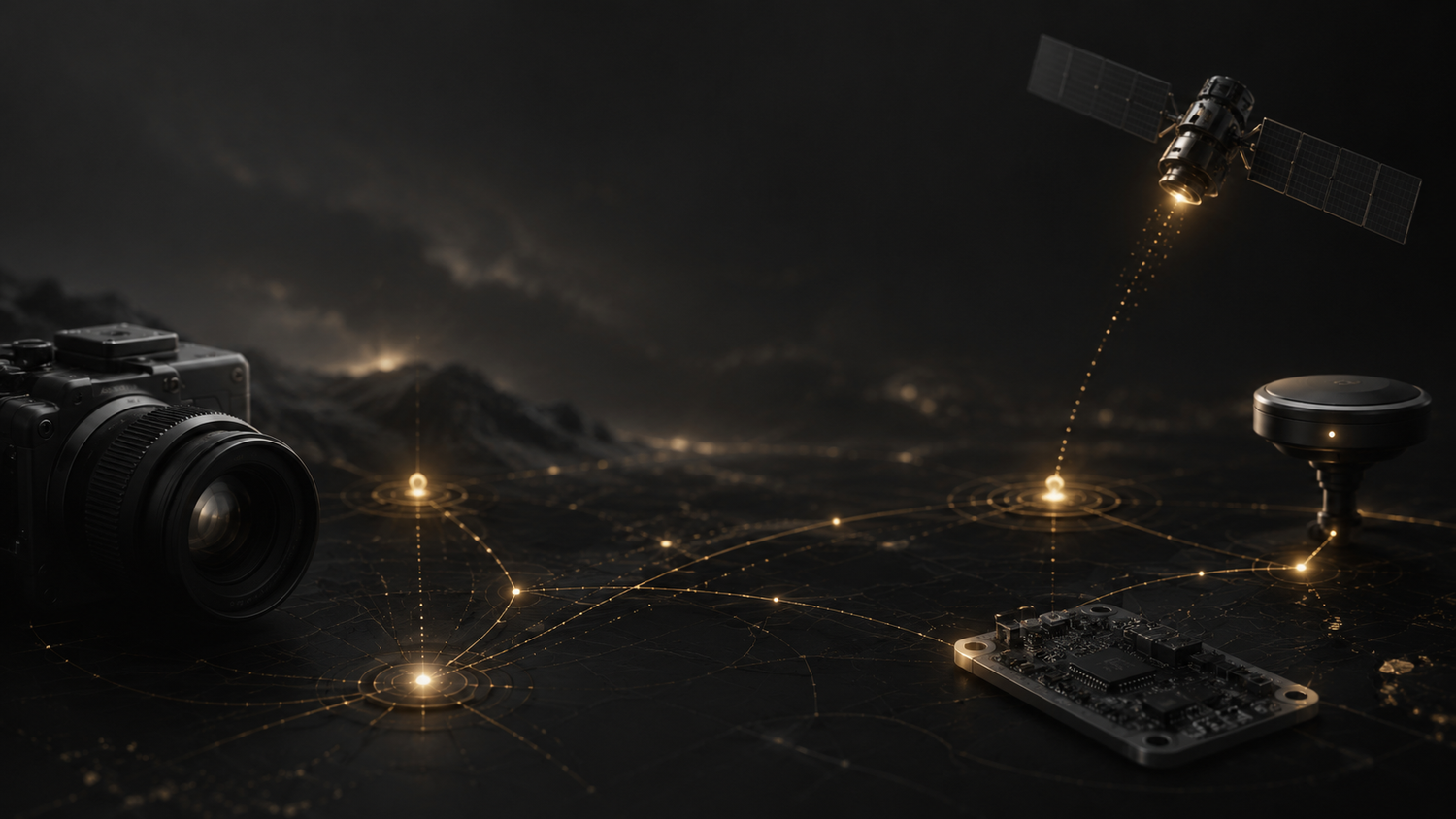
I design practical timing systems for cameras, machines, sensors, embedded devices, and distributed platforms that need to operate under a shared time reference.
What I Do
I help technical teams design synchronization architectures using GNSS receivers, PPS signals, LTC timecode, precision clocks, ESP32, Raspberry Pi, wired sync, and wireless coordination.
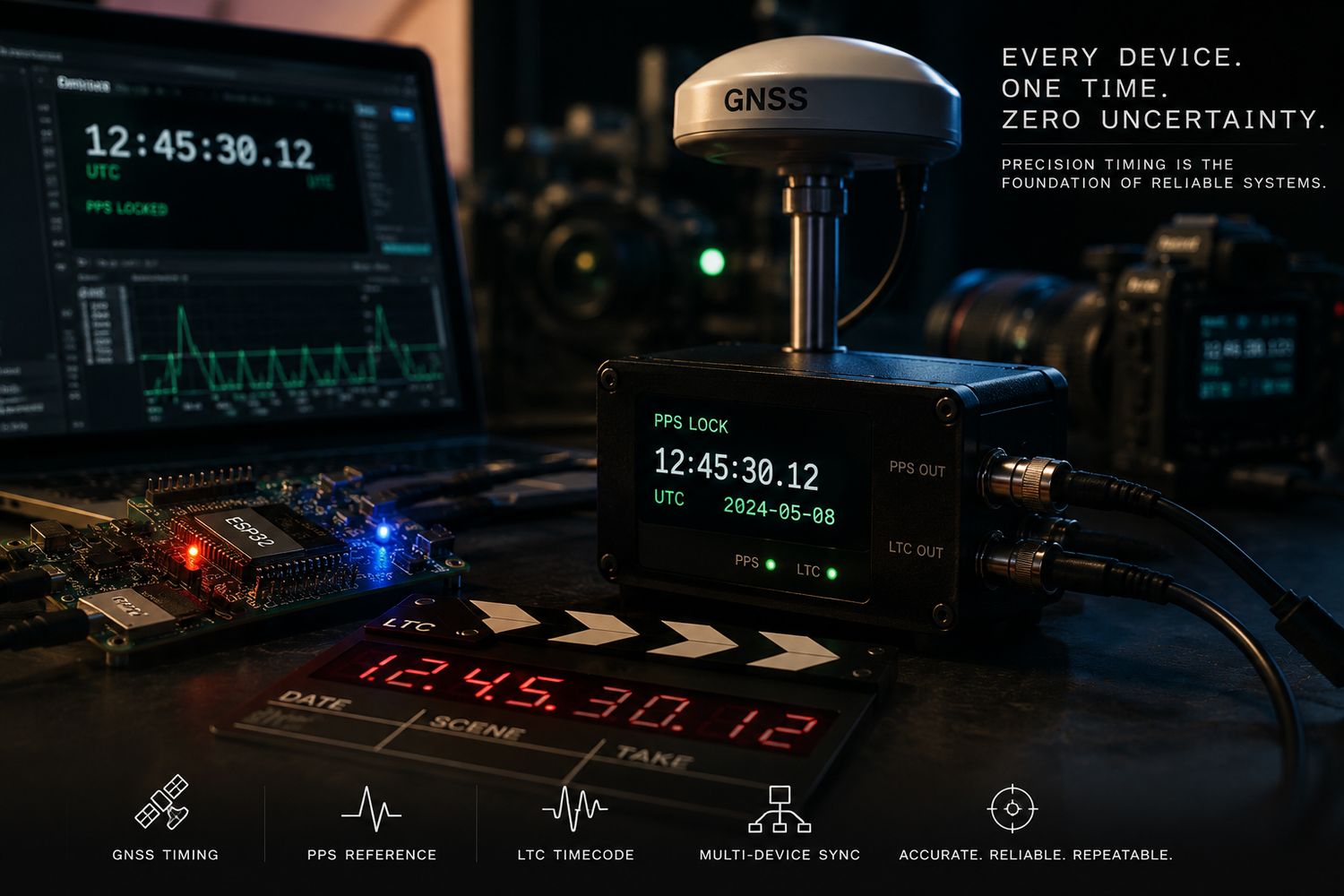
Core Technologies
GNSS Timing
PPS Reference
LTC Timecode
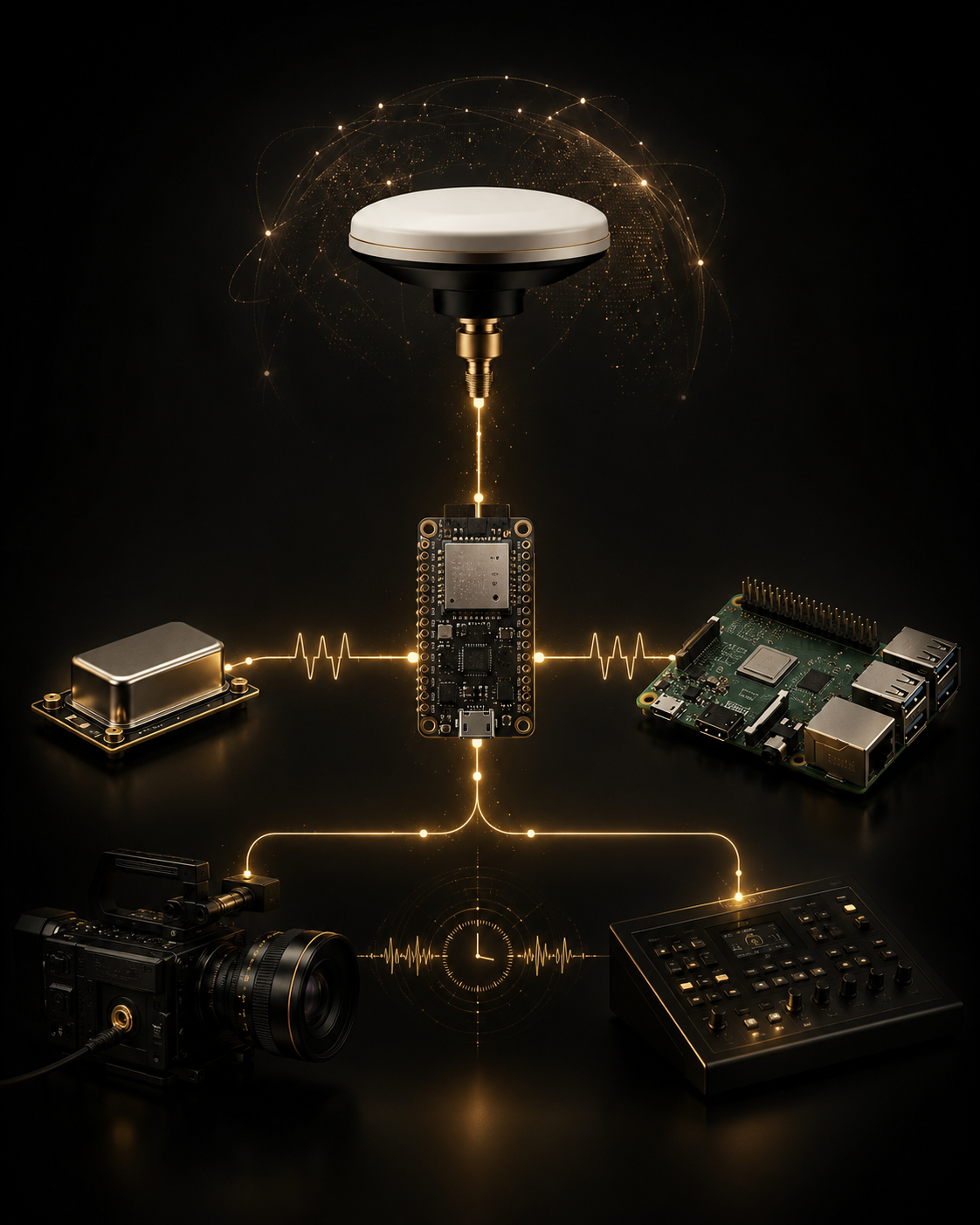
ESP32 Firmware
Raspberry Pi Systems
Precision Oscillators
Use Cases
Timing becomes critical when several devices need to behave as one coordinated system
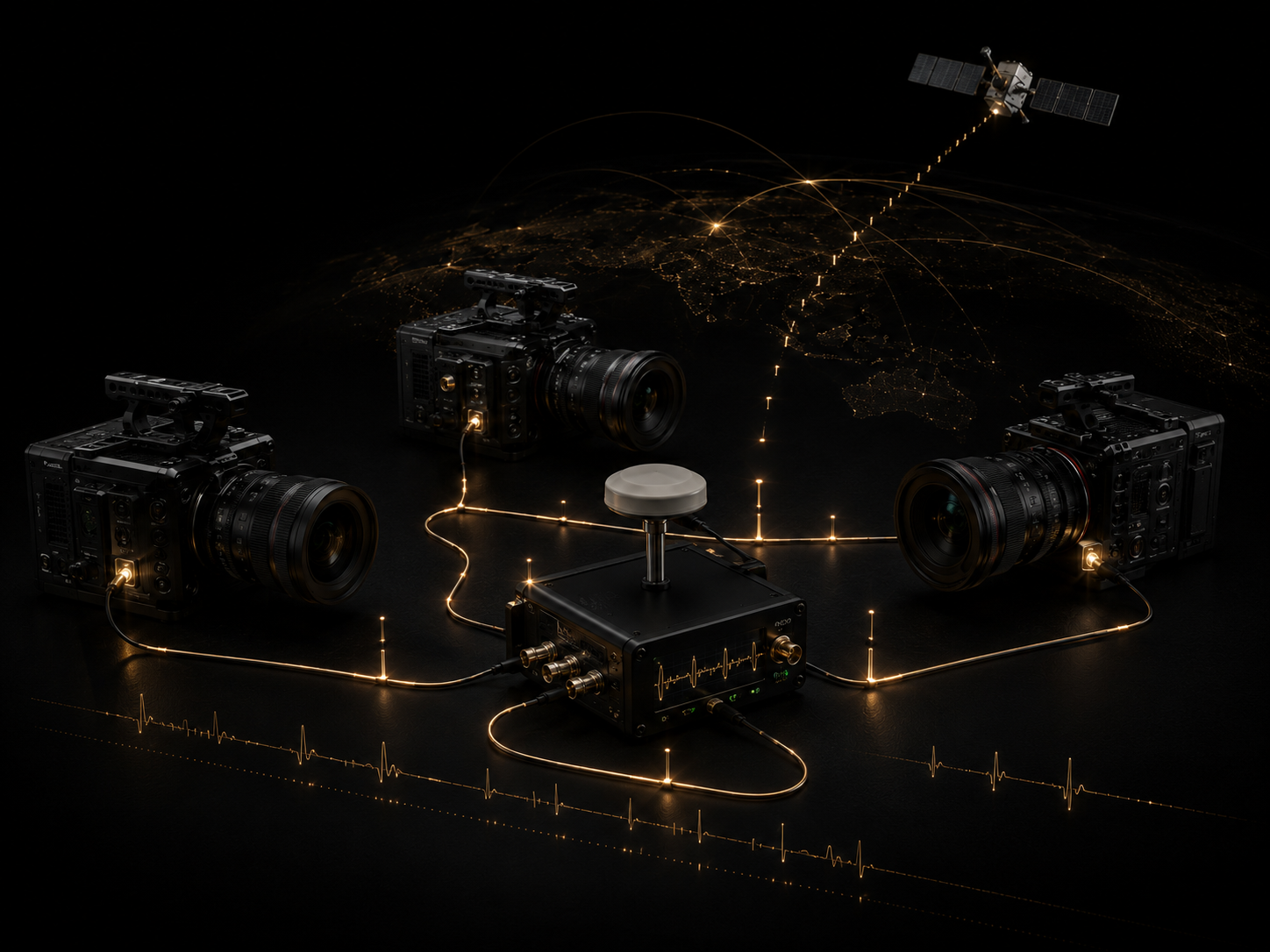
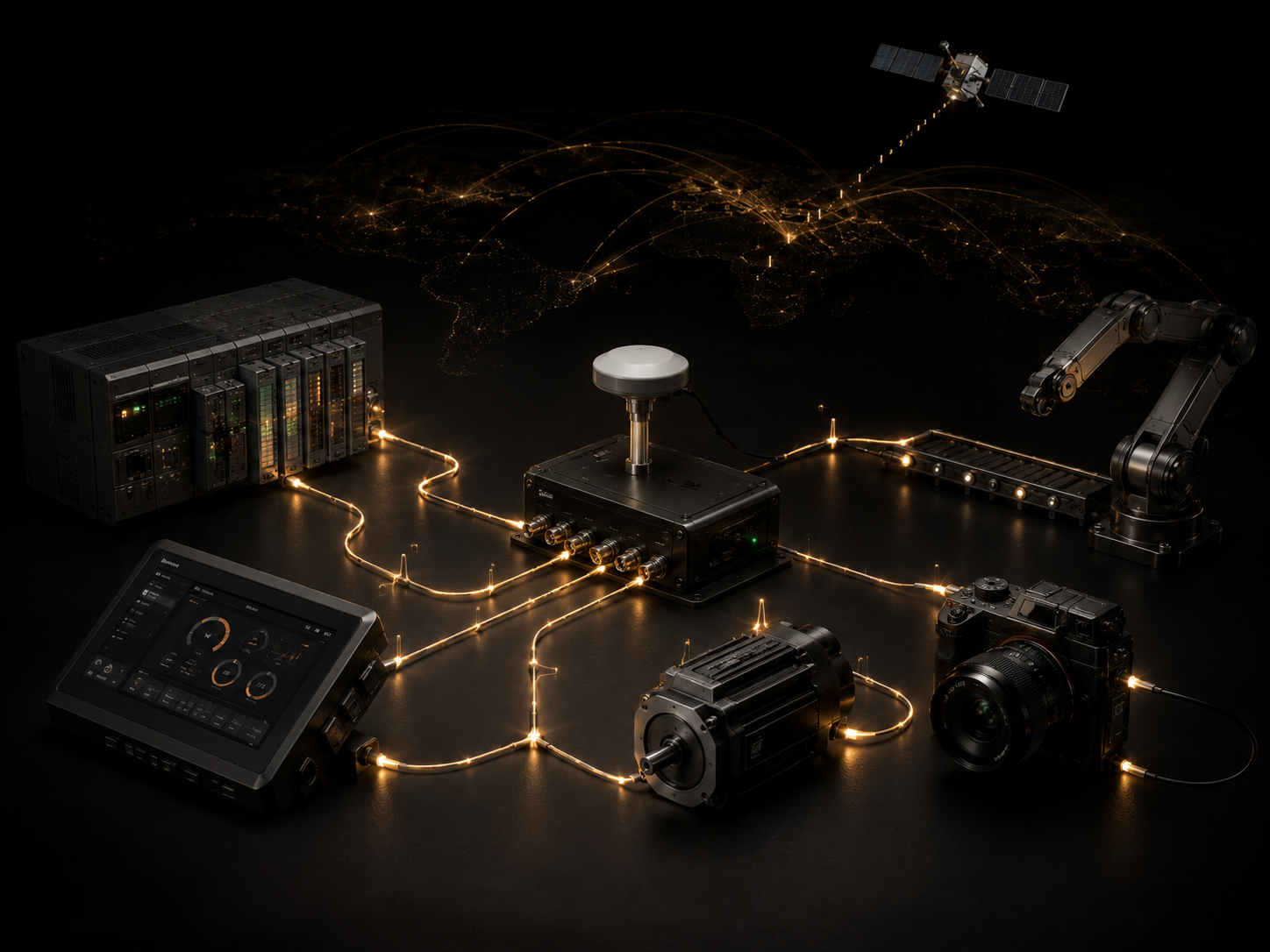
Multi-Camera Synchronization
GNSS/PPS and LTC-based workflows for cameras that need a shared time reference during production, testing, or field recording.
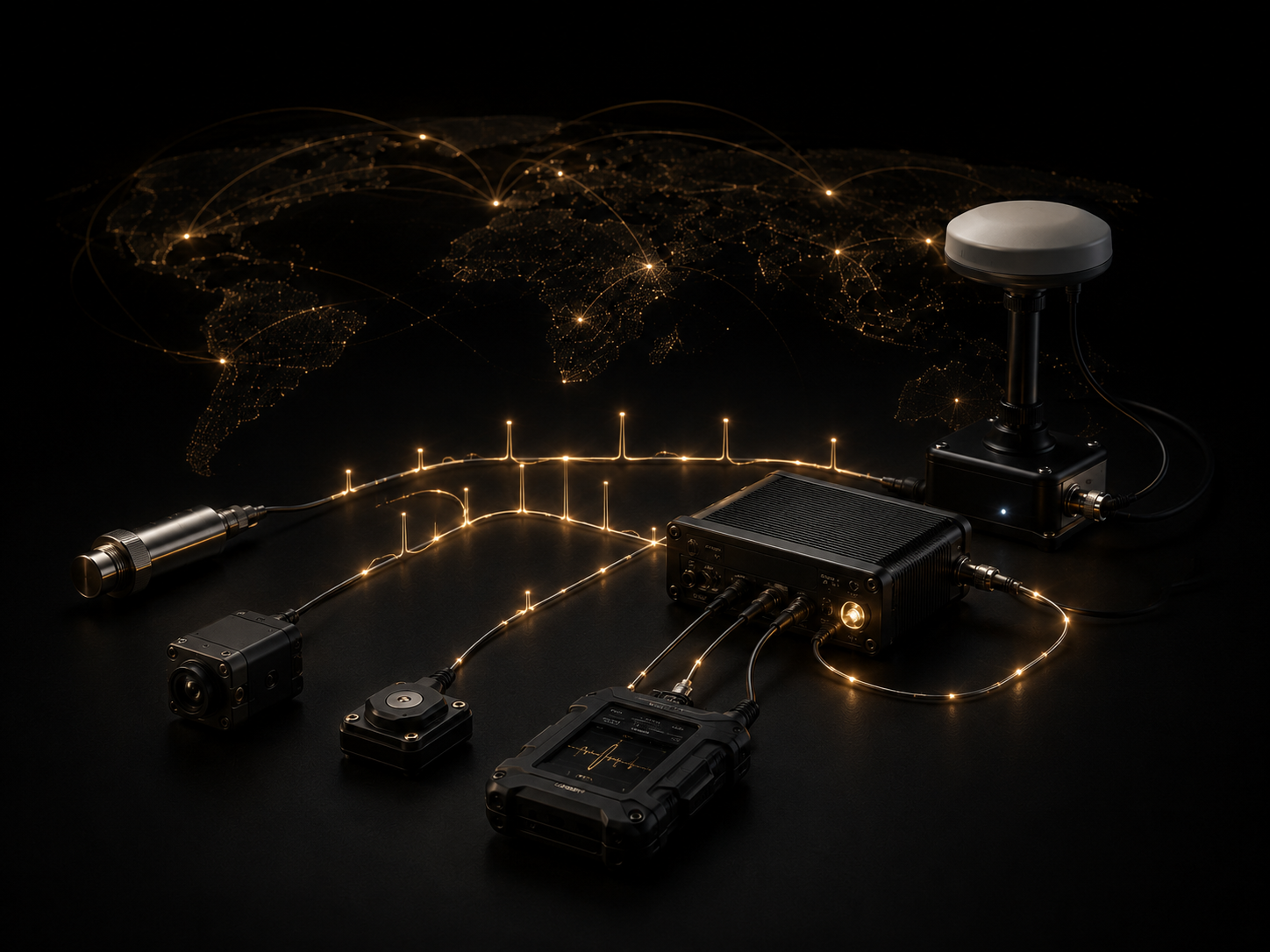
Embedded Device Timing
ESP32, Raspberry Pi, GNSS receivers, precision clocks, and firmware logic for custom timing systems.
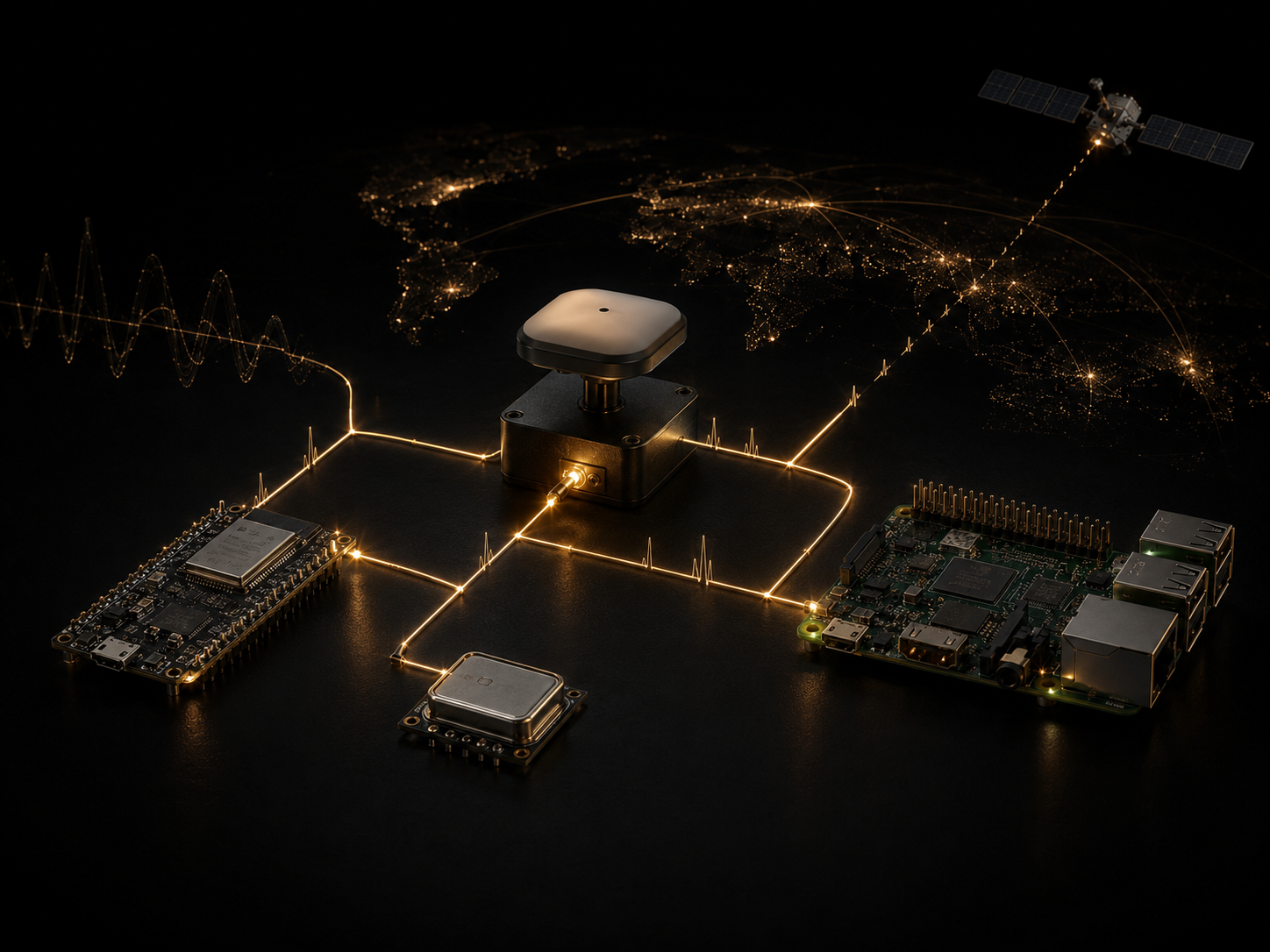
Sensor & Data Alignment
Time alignment for sensors, loggers, receivers, and measurement devices where the exact moment of each event matters.
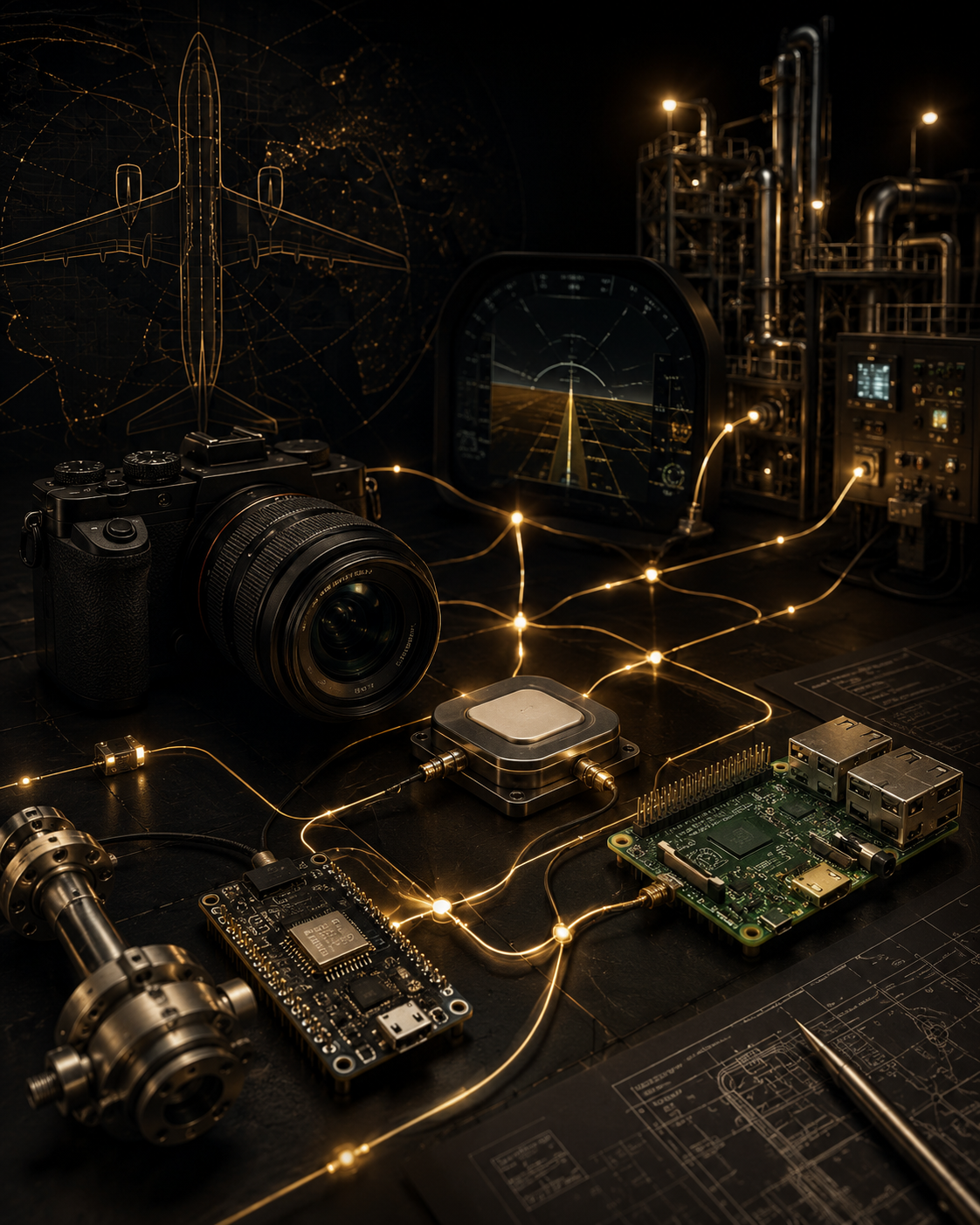
Machine & System Coordination
Timing concepts for machines, distributed devices, control systems, and technical platforms that must operate together.
Why My Background Is Different
Most timing projects are not only electronics problems. They are system reliability problems.
A synchronization architecture needs a stable time reference, realistic communication strategy, power logic, cabling or wireless planning, device compatibility, startup behavior, failure tolerance, and field validation.
My background combines electronics, photography, aviation-related systems, and more than 20 years of industrial commissioning and startup experience. This allows me to design timing solutions with a practical field mindset, not only as bench prototypes.
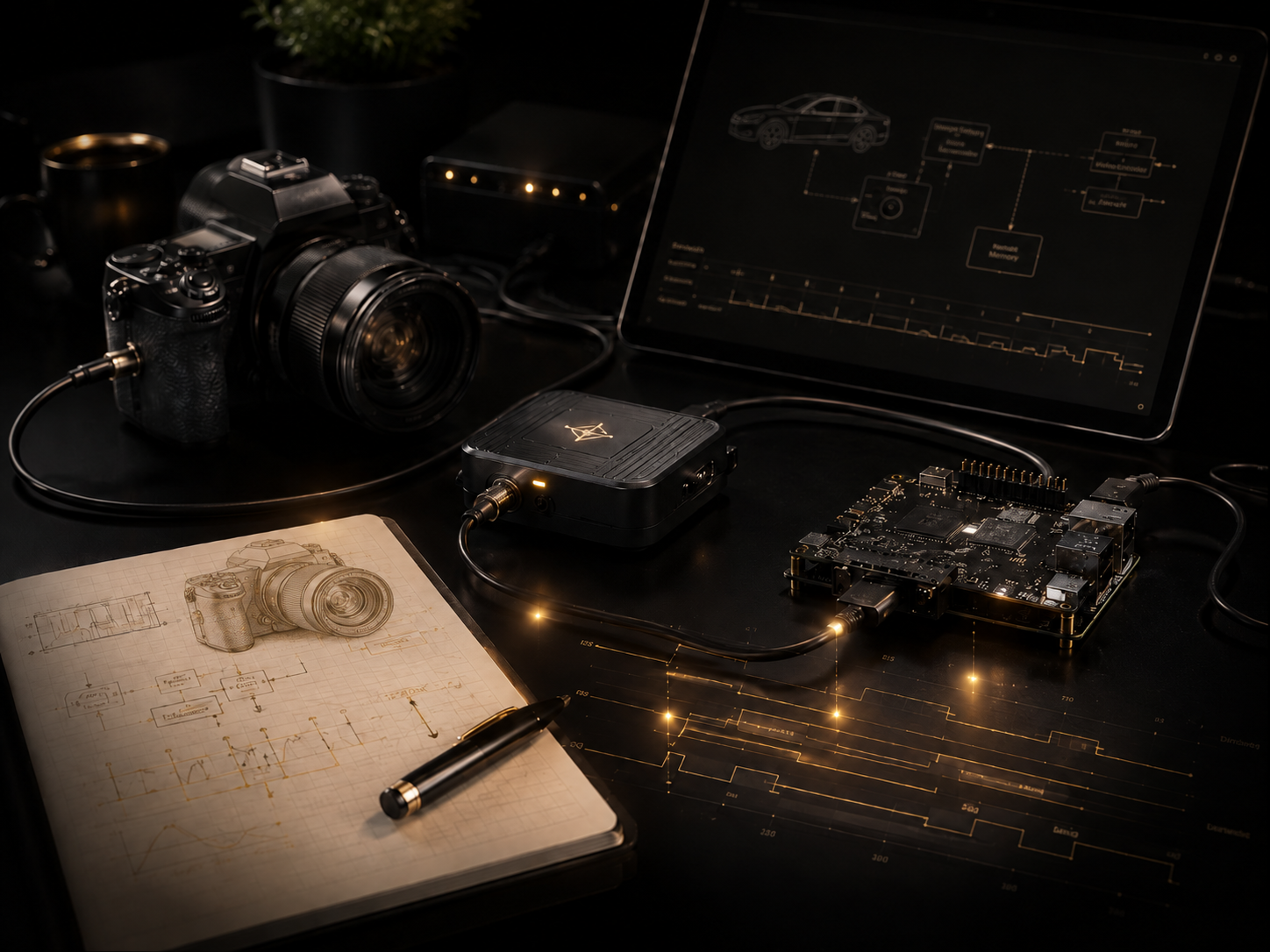
1. Understand the System
We define what needs to be synchronized, the required accuracy, the devices involved, and the real operating environment.
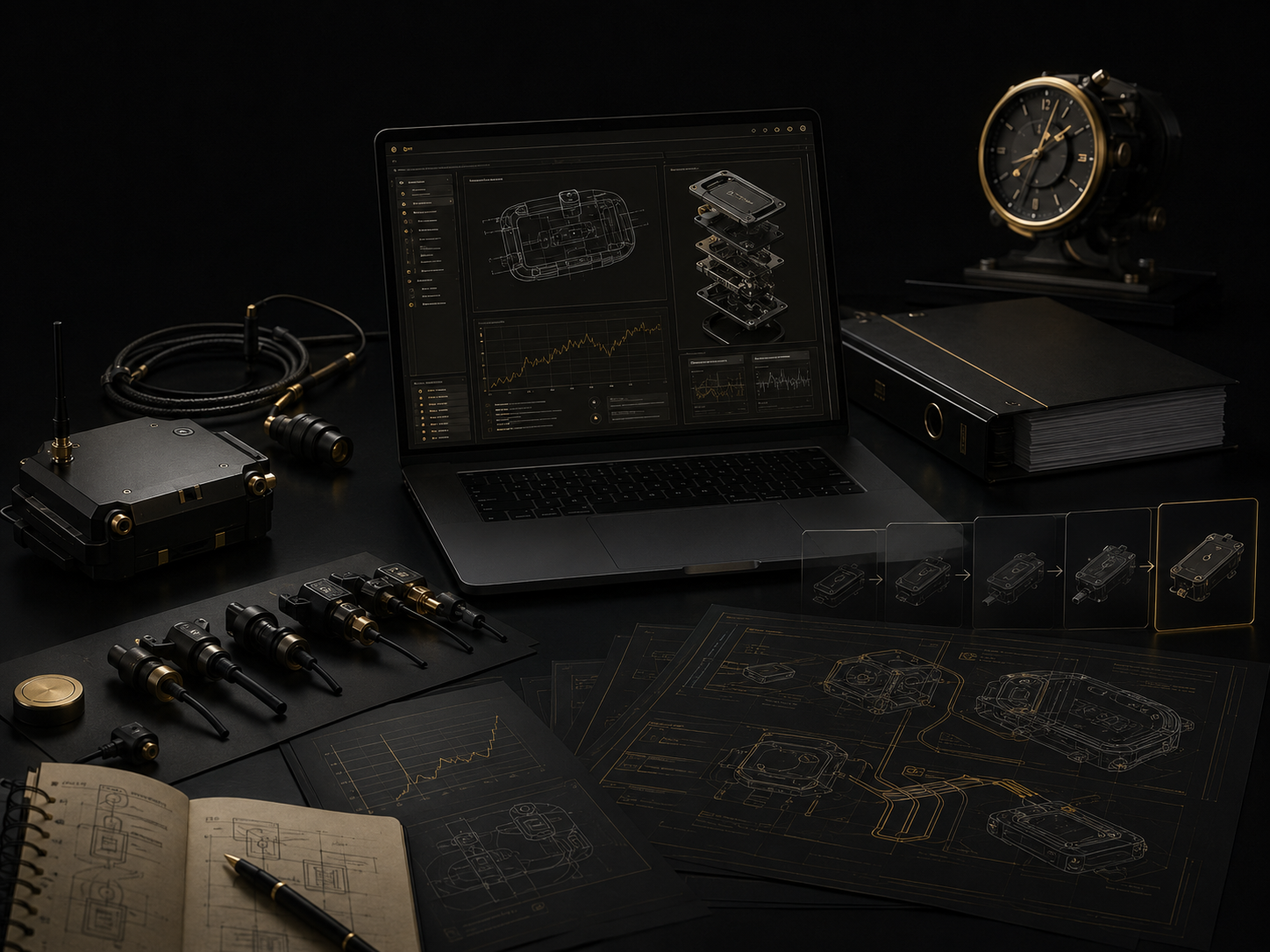
3. Prototype & Validate
The concept is tested using practical hardware, signal checks, logging, drift analysis, and real-world failure scenarios.
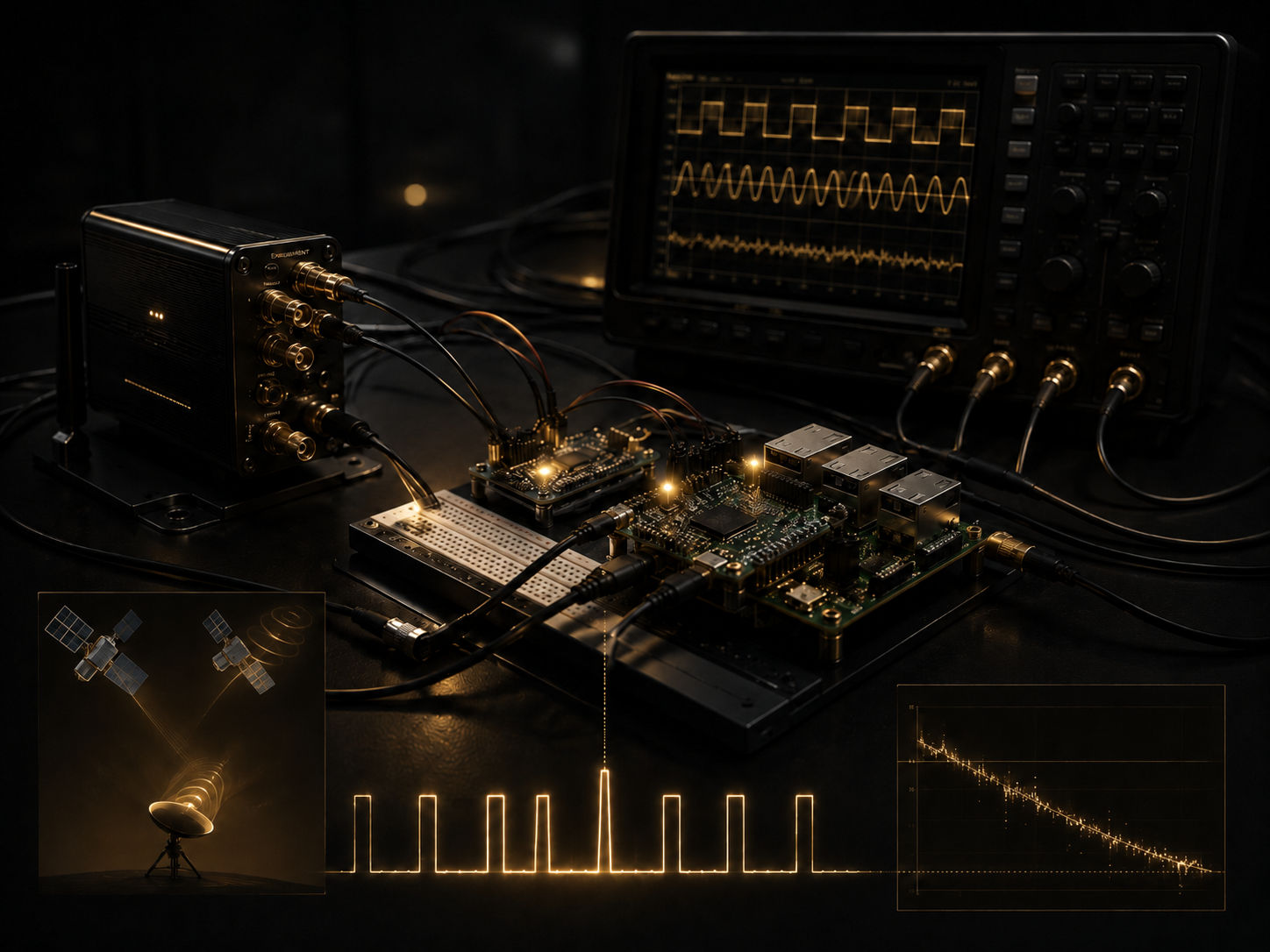
4. Document & Improve
The final system is documented with wiring, firmware logic, operational limits, and future improvement paths.
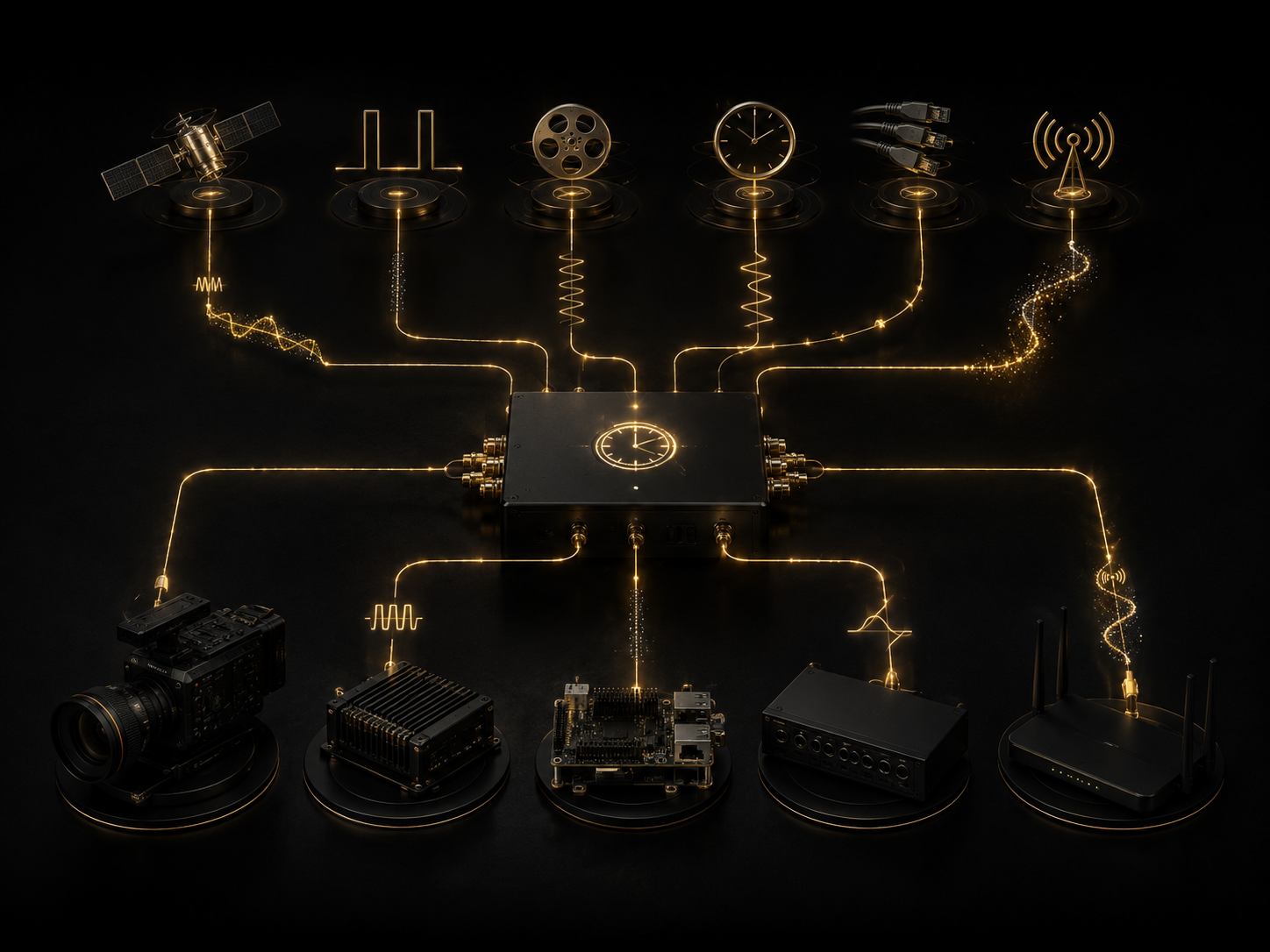
2. Define the Time Architecture
We select the proper reference: GNSS, PPS, LTC, local clock, wired distribution, wireless sync, or a hybrid strategy.
Who This Is For
Film & video teams
Embedded developers
Sensor/data projects
Industrial systems
Example Problems
Multiple cameras need aligned timecode.
A device needs to follow GNSS/PPS time.
A sensor system needs accurate timestamps.
A Raspberry Pi or ESP32 system needs stable synchronization.
A machine, logger, or recorder must coordinate with other devices.
A prototype works on the bench but needs field reliability.
What You Can Receive
System architecture review
ESP32 or Raspberry Pi prototype logic
Failure-tolerance recommendations
GNSS/PPS/LTC synchronization concept
Firmware guidance
Technical documentation
Wiring and signal strategy
Timing accuracy and drift analysis
Standards-Based Design Review
Questions & Answers
01.
Can you help with only the concept, not the full hardware build?
Yes. I can help define the synchronization architecture, timing reference, hardware strategy, and validation approach before development begins.
02.
Do you work with cameras and timecode?
Yes. I work with LTC timecode concepts, multi-camera synchronization, GNSS/PPS timing references, and practical production workflows.
03.
Can you support embedded systems?
Yes. I work with ESP32, Raspberry Pi, GNSS receivers, precision clocks, serial communication, wired sync, and wireless timing concepts.
04.
Is this only for media production?
No. The same timing principles apply to sensors, machines, data loggers, aviation systems, industrial devices, and distributed technical platforms.
Need to synchronize cameras, machines, sensors, or embedded devices?
If your project needs a shared time reference, GNSS/PPS timing, LTC timecode, ESP32/Raspberry Pi development, or a custom synchronization concept, let’s discuss the architecture.